
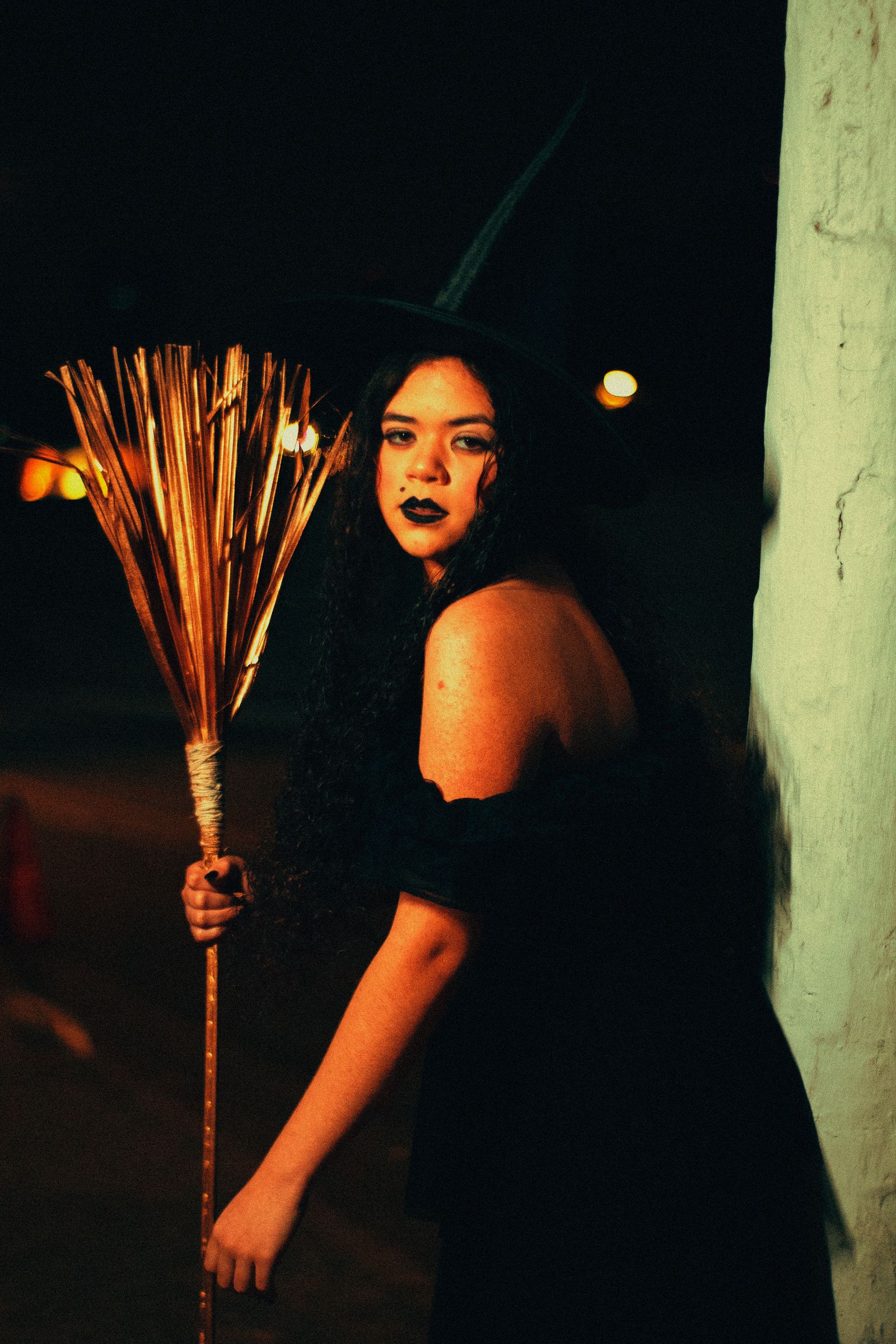
Last-minute Halloween costumes on a budget become easier when you stop looking for a complete boxed solution and start with one clear idea. An outfit does not need many components to be recognisable. It needs a consistent base, a detail that communicates the theme and enough comfort for the evening you actually plan to have.
This buying guide is for adults and families trying to avoid an expensive rush order. It covers wardrobe-first ideas, how to compare costume bundles, sizing checks and the small extras that can make a cheap-looking purchase unexpectedly costly. The aim is a costume you can wear comfortably, not an outfit that works only for one photograph.
Decide what the costume has to do
Start with the setting. Are you going to a seated dinner, walking between houses, taking public transport or spending several hours dancing? A costume that suits one activity can be inconvenient for another. Write down the activities before deciding what to buy.
Consider the practical questions: can you sit down normally, carry your belongings and use a coat if needed? Will you need both hands free? Is there a dress code or a venue rule about masks and props? Checking these details early can save you from buying a dramatic accessory you cannot take inside.
If the costume is for a child, build the plan around the activities and supervision arranged for that child. Avoid choosing an outfit solely because it resembles an adult costume in a product photograph. Age guidance, fit and movement deserve their own checks.
Build a recognisable outfit from your own wardrobe
Take out a few simple base outfits before shopping: dark trousers and a plain top, a dress in one strong colour, a shirt with a jacket, or a comfortable tracksuit. Look for a theme that can be suggested by adding one or two details rather than replacing the whole outfit.
A detective-inspired look might use an ordinary coat and a notebook. A space-explorer idea could begin with a plain base and a handmade name badge. A black-and-white movie character can be communicated through a restrained colour scheme and a hairstyle you can manage. You are creating a recognisable direction, not promising an exact replica of a film costume.
For a group, agree on one shared visual cue. Matching colours, a repeated badge shape or a common accessory can connect different outfits without requiring everyone to order the same product. That also gives people more freedom to dress for their own comfort and budget.
Choose one signature detail
The signature detail is the item that does the most work. It might be a hat, a cape of a manageable length, a distinctive collar or a clearly written badge. Decide which detail communicates the idea before you add smaller accessories.
A useful test is to lay out the base outfit with only that detail. If the idea already reads clearly to someone else, you may not need the rest of the bundle. If it does not, consider changing the idea rather than buying more and more pieces to explain it.
Try not to choose a signature item that prevents normal movement or requires constant adjustment. A comfortable outfit is easier to enjoy, and a simple costume that stays in place can look more deliberate than an elaborate one that needs attention all night.
A sample costume budget without assuming current prices
The following $50 ceiling is an example of planning, not a promise about what any retailer currently charges. Adjust the amounts to your location and the items you already own. You should not spend a category allowance simply because it appears in the table.
| Part of the plan | Example cap | Question before spending |
|---|---|---|
| Base clothing | $15 | Can something already in the wardrobe do this job? |
| Signature detail | $12 | Does this make the idea recognisable? |
| Useful accessories | $8 | Will these improve the outfit during the evening? |
| Delivery or practical adjustments | $5 | Have I checked the real order total? |
| Reserve | $10 | Can I finish the plan without using this? |
If you reuse the whole base outfit, keep the saving. It can be tempting to treat an unused allowance as permission to add another prop, but the goal is a finished costume within the ceiling rather than a basket that reaches it exactly.
Read the contents of a costume set carefully
Product photographs often show a complete styled look. The package may contain only the main garment. Before buying, make a written list of what is actually included and compare it with the pieces required for the appearance you want.
Look for phrases such as “accessories not included”, and check whether shoes, wigs, gloves or a pictured prop are separate purchases. The total cost of a set can change considerably once you account for those extras. A slightly higher-priced outfit may be easier to budget for if it genuinely contains the essentials you need.
Also check quantities. A listing with several colours or characters in the main photograph does not necessarily contain several costumes. Review the selected option at checkout and keep the order confirmation so you know what you actually chose.
Use measurements instead of relying on a size label
Compare the seller’s measurements with clothing that already fits comfortably. Include the layers you expect to wear underneath. A costume that is acceptable over a thin shirt may feel quite different over warmer clothing.
Think about the full garment rather than one measurement. Sleeves, trouser length, fastening position and the amount of stretch can all affect the experience. If the listing gives too little information to judge those points, the uncertainty belongs in your buying decision.
For children, the U.S. Consumer Product Safety Commission advises costumes that fit well and do not drag on the ground. It also highlights visibility and soft, flexible accessories. Treat these as practical selection checks rather than assuming every product marketed for Halloween will suit your plans.
Borrowing, buying second-hand or making the final detail
Borrowing can be useful when an item will be worn once. Agree on the return date and any cleaning expectations before taking it. Do not make changes to a borrowed garment without checking, even if the adjustment appears easy to reverse.
When buying second-hand, inspect the parts that do the work: fastenings, seams, elastic and any attached accessories. Ask whether the pictured pieces are included and compare the collection arrangements with your deadline. A low price is not helpful if collecting the item uses the evening you needed for preparation.
A small homemade detail can be a good final step when it uses materials already available and a process you understand. A complicated project with several new supplies is a different purchase. Count the supplies, time and possibility of a failed first attempt before choosing it over a simpler idea.
Makeup, masks and accessories: keep the plan realistic
Do not build the entire costume around a technique you have never tried unless you have time to practise. A complicated makeup look can turn a relaxed evening into a rushed preparation session. Choose something you can remove and manage comfortably, and follow the product’s instructions.
A mask should be evaluated as something you will wear, not just something you will photograph. Check your view and how you will handle the activities planned for the evening. If it makes conversation or movement awkward, another way of suggesting the character may be more suitable.
Health Canada advises keeping children away from open flames and ensuring that battery compartments in light-up accessories are child resistant. Keep the outfit’s practical checks separate from its appearance; an accessory that looks effective is not automatically a sensible addition for every wearer.
Check footwear and the things you need to carry
Footwear is often the part of a costume that gets the least attention until it becomes the biggest inconvenience. Start with shoes you can wear for the planned activity, then adapt the visual idea around them. Buying unfamiliar shoes immediately before an event leaves little opportunity to assess comfort.
Work out where your phone, keys and other essentials will go. If the costume removes your usual pockets, choose a bag or another practical solution before the evening. For a family outing, decide who is carrying the shared essentials rather than assuming an oversized costume pocket will solve it.
Take a short trial walk indoors and sit down in the complete outfit. Notice what catches on furniture, slips out of place or becomes difficult to reach. These small tests are easier to act on before you leave home.
Shopping online when the date is close
Read the delivery estimate for your exact selection and address. A general “fast delivery” message is less useful than the arrival information shown for the option in your basket. Consider whether you need time for an exchange or a small adjustment after delivery.
Keep a fallback outfit ready from items already at home. That reduces the pressure to buy an unsuitable alternative if the original item is delayed. A fallback can be deliberately simple: the base outfit, one recognisable detail and comfortable footwear.
Check return terms before ordering, including any conditions about packaging, tags or opened accessories. Do not assume every part of a costume order has the same return conditions. Use the seller’s written policy for the exact items you are considering.
A preparation plan for the final two days
Two days before: choose the base outfit, confirm what is missing and check the delivery or collection plan. Try any pieces already available. If the idea depends on several uncertain purchases, simplify it now.
The day before: assemble the full outfit and complete the sitting, walking and carrying checks. Put accessories together so you do not have to search for them while getting ready. Choose the fallback if something important has not arrived.
On the day: allow enough time to get dressed without rushing. Keep the practical essentials together and remove any detail that is uncomfortable or inconvenient. Finishing the plan does not mean wearing every item you initially imagined.
Coordinate the costume with the evening
If you are hosting, choose a costume that lets you serve food, answer the door and tidy small spills. If you are joining someone else’s party, ask about the setting rather than assuming the event will match the outfit you have in mind.
You can keep the rest of the planning equally straightforward with our Halloween party checklist. For a room or doorway that complements the costume photos, use the reuse-first approach in our Halloween decoration guide.
A final costume buying checklist
- Does the idea work with a base outfit you already own?
- Which single detail makes it recognisable?
- Have you checked measurements and package contents?
- Can you walk, sit and carry your essentials comfortably?
- Do the accessories suit the wearer and the planned activities?
- Is there enough time for delivery and a trial?
- Do you have a practical fallback?
A successful last-minute costume is a finished, wearable idea. Choose the parts that communicate it clearly, stop when the outfit works and keep the budget for the rest of the celebration.
For more clothing comparisons, browse our Fashion guides. Research references: U.S. Consumer Product Safety Commission, Halloween Safety: Tips for Selecting Costumes and Décor; Health Canada, Halloween Safety. Example amounts are planning allocations, not live product prices.