
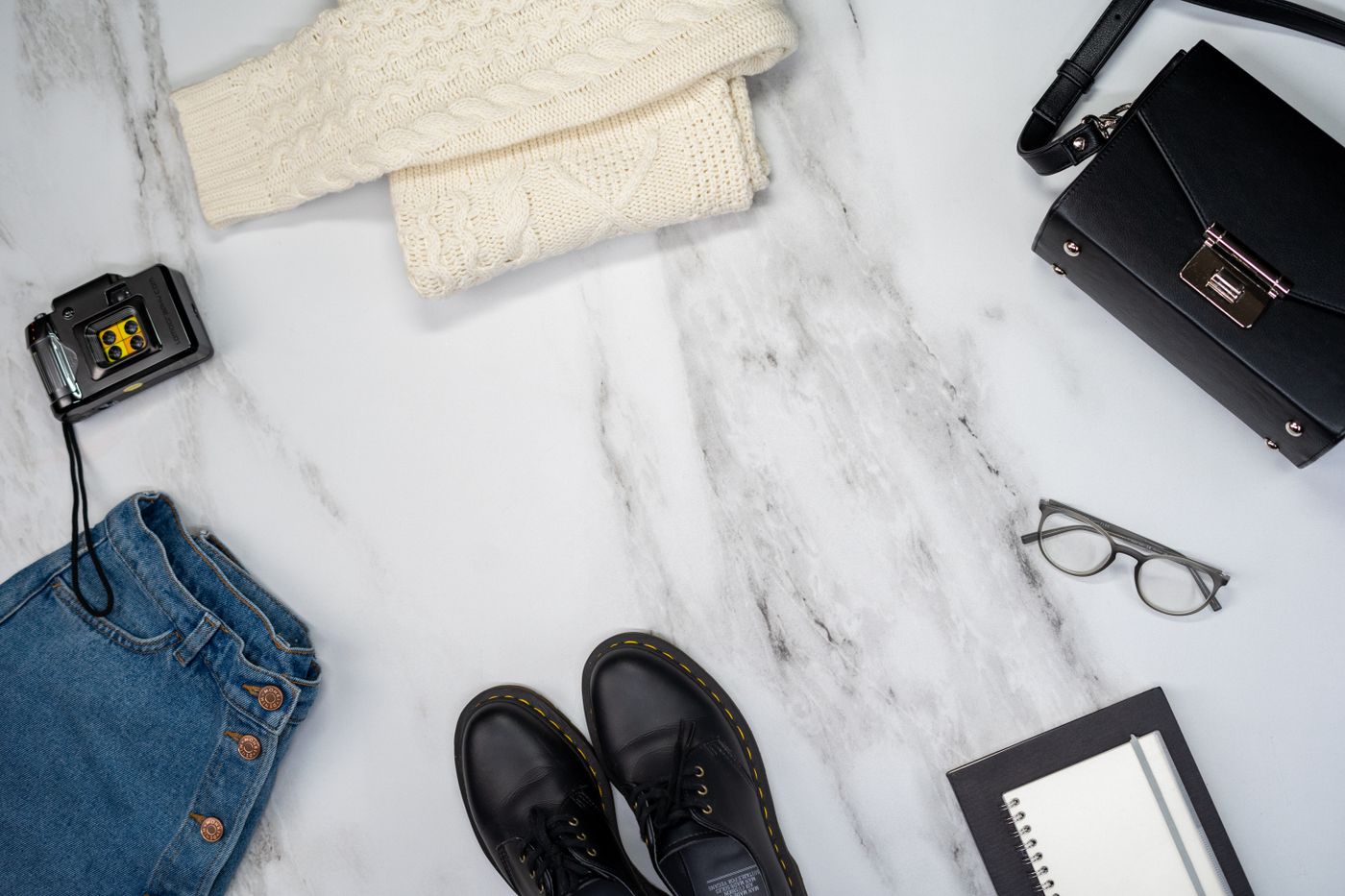
A small wardrobe works when its pieces fit your actual week. Start with the clothes you reach for repeatedly, not a fixed number of items from someone else's checklist. The aim is to reduce awkward purchases and make new additions easier to combine with what you already own.
Price Perks Hub may earn a commission from eligible purchases made through offers on our store pages, at no extra cost to you.
Build around your real routine
Write down the situations you dress for: work, commuting, errands, weekends and occasional events. Give most of your budget to the situations that happen most often. A wardrobe filled with occasionwear may look impressive while leaving an everyday gap. Keep a separate list for rare events rather than buying for them continuously.
Choose repeatable outfit combinations
Lay out a few outfits you already enjoy wearing. Notice which colours, shapes and layers work together. When considering a new item, identify at least two existing pieces it could accompany. This is more practical than requiring everything to match a strict palette or buying a complete new outfit around one discounted top.
Read measurements before trusting size labels
Compare the garment chart with a similar item you own that fits comfortably. Check whether the listing describes body measurements or finished garment measurements. Look at fabric composition, stretch and care requirements. If a piece needs specialist cleaning you will not realistically arrange, that ongoing cost should affect the purchase decision.
Spend first on the missing link
Imagine you already own several printed tops but few comfortable bottoms. Another top may be cheaper and more exciting, yet a well-chosen pair of trousers could make more outfits usable. Keep the missing item at the top of your list. Evaluate its fit and versatility before considering how large the sale discount looks.
Check the basket before ordering
- Confirm the selected colour and size are eligible for return.
- Check whether the fabric suits your climate and routine.
- Include alteration or delivery costs in the total.
- Leave room in the budget for the item you need most.
A useful wardrobe develops through good individual choices. You do not have to replace everything at once. Wear new purchases before adding more, and let your experience show which gaps are real.